
01Four ways to cash out crypto
Cashing out means selling crypto for fiat and moving the money to your bank account or e-wallet. "How to withdraw from Binance" and "how to cash out crypto" are huge searches for a simple reason: there are many ways in, but often only one or two genuinely safe ways out.
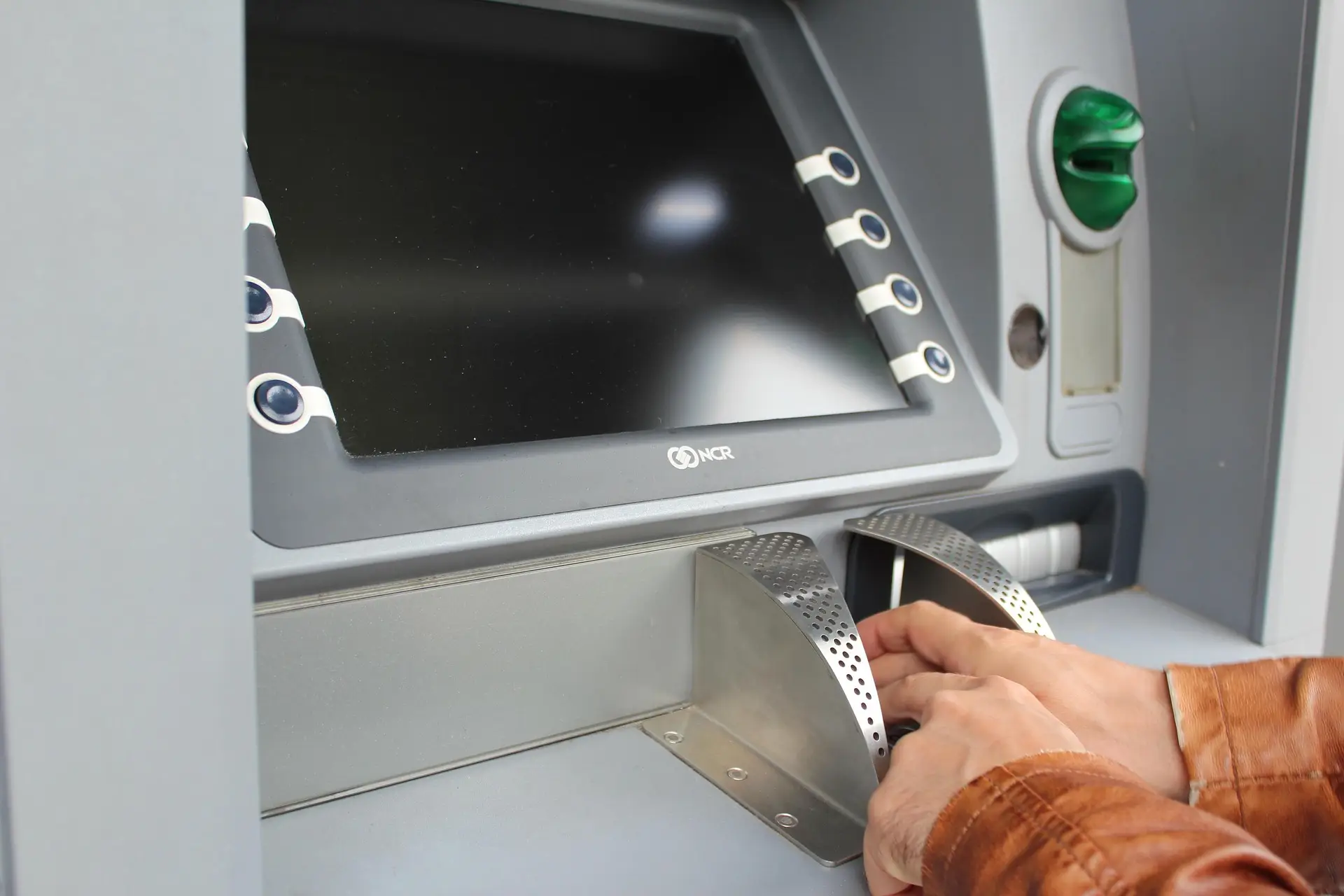
There are four broad routes. 1. Sell on a licensed local exchange and withdraw to your own bank account. This is the cheapest and safest, and the money has the clearest source. 2. Sell on an international exchange and withdraw fiat directly. This works only if the platform offers fiat rails for your country. 3. Sell on P2P. The buyer pays you directly. It is quick, but the frozen-account risk lands on you. 4. Spend with a crypto debit card or withdraw at an ATM. This suits small everyday amounts, usually with worse rates and higher fees; see crypto cards.
| Route | Typical cost | Speed | Main risk |
|---|---|---|---|
| Licensed local exchange → bank | Trading fee 0–0.5% + flat withdrawal fee | Minutes to 1 business day | First large withdrawal may trigger source-of-funds questions |
| International exchange fiat withdrawal | Varies; wire fees are common | 1–5 business days | The rail may not exist for your country |
| P2P sale | Often no fee; market price | 10–30 minutes | Receiving fraud money and getting frozen |
| Crypto card / ATM | FX spread + card fee + ATM fee | Instant | Expensive, with low limits |
02Best route: sell on a licensed exchange, withdraw to your own account
If your coins are on an offshore platform or in your own wallet, the safest exit is usually to move them to a licensed local exchange, sell there, and withdraw to a bank account in the same name as your exchange account.
Why bother? Because banks care where money comes from. A credit from a platform licensed by Hong Kong's SFC, registered with Japan's FSA or licensed by Thailand's SEC is easy for a bank to understand. A credit from an unknown individual with an odd reference easily triggers an anti-money-laundering inquiry. In Thailand, gains from sales through licensed platforms are also exempt from personal income tax from 2025 to 2029; sales through offshore platforms or P2P do not qualify.
Moving coins from an offshore platform back to a local exchange runs into the Travel Rule. The receiving exchange checks the sender's details, and a transfer may be returned if names do not match or the counterparty is not on its list. Read transfers and the Travel Rule before you send.
03Cashing out from Binance, Crypto.com and Coinbase
Binance withdrawals
Whether Binance can pay out fiat depends entirely on your country. In Japan, Binance Japan is an FSA-registered exchange with yen deposits and withdrawals, and since November 2025 PayPay balance deposits and withdrawals (¥110 per withdrawal to PayPay, per secondary sources). In Thailand, Binance.com has moved Thai users to the licensed Binance TH, which charges from THB 20 per baht withdrawal and has daily maintenance from 23:30 to 02:00. In India, Binance is registered with FIU-IND but has no rupee bank withdrawal. Users either sell P2P or move coins to a registered exchange such as ZebPay, which charges Rs 15 per INR withdrawal. In the Philippines, Binance has been blocked since 2024, and existing users should move assets to a licensed platform.
Crypto.com withdrawals
In the Crypto.com app you can sell crypto into a fiat balance and withdraw it to a bank, but which currencies and countries the fiat wallet supports varies a lot by region. Crypto.com holds a MAS MPI licence in Singapore and a VARA licence in Dubai, and in Hong Kong it is still a "deemed licensed" applicant. Check the fiat wallet screen in the app for withdrawal support, fees and timing where you live.
Coinbase withdrawals
Coinbase holds a MAS licence in Singapore and launched rupee deposits and withdrawals in India in May 2026. It has no local service in Korea, so "코인베이스 출금 방법" (how to withdraw from Coinbase) usually means sending coins to a Korean exchange such as Upbit and selling there. Check Upbit's published list of supported overseas platforms first, because platforms not on it are blocked.
FTX fiat withdrawals (historical)
After FTX filed for Chapter 11 on 11 November 2022, all withdrawals stopped. Repayment has come only through the official bankruptcy distributions, which began in 2025. FTX Japan's customers got their money back thanks to Japan's client-asset segregation rules. Any "FTX withdrawal service" today is a scam. That history is one reason we advise against keeping large amounts on any exchange for long; see Is my exchange safe?
Still need a reliable exchange account? Open one on a platform that serves your country and try the buy flow with a small amount.Visa, Mastercard, Apple Pay and Google Pay supported
Open free account04Selling on P2P: why the seller carries the risk
Selling P2P looks easy. You post an ad, a buyer sends money to your bank account, you release the coins. But that payment step is exactly where the risk lands on you. If the buyer's money came from a fraud victim (in "triangulation fraud", the scammer has the victim pay you directly), the police trail ends at your account when the victim reports it.
In India, police cyber cells can have a bank freeze a whole account over as little as ₹1. In September 2026 the Central Bureau of Investigation (CBI) specifically warned that above-market offers for USDT may involve fraud money. Malaysia, Thailand, Hong Kong and Taiwan freeze accounts in money-mule crackdowns too. In Vietnam, trading outside licensed providers has been fineable at VND 30–50 million since 1 September 2026. In Bangladesh, crypto dealing is prohibited outright.
05Country cheat sheet (October 2026)
| Market | Licensed platforms and rails | Withdrawal fees · notes |
|---|---|---|
| Hong Kong | SFC-licensed OSL, HashKey and others → FPS or bank transfer | Withdrawals reported to HSBC, BOCHK, ZA Bank and Mox (unverified). |
| Singapore | MAS-licensed Independent Reserve, Coinhako and others → FAST | IR FAST S$1.50 (up to S$200k), TT S$25; Coinhako about S$2. |
| Japan | FSA-registered GMO Coin, bitFlyer, Coincheck and others → bank | GMO Coin free; Coincheck ¥407; bitFlyer ¥220–¥770 depending on bank. |
| South Korea | Upbit (K Bank), Bithumb (KB Kookmin) → real-name account | Upbit ₩1,000 each; ₩100m per withdrawal, ₩500m per day. |
| Taiwan | Registered BitoPro, MAX and others → bank | BitoPro NT$30 each, minimum NT$100. |
| Thailand | Bitkub, Binance TH, Orbix Trade → Thai bank | Bitkub and Binance TH from THB 20; Orbix free. Gains via licensed platforms tax-exempt 2025–2029. |
| Malaysia | SC-approved Luno, HATA and others → bank | Luno about RM0.10; HATA minimum RM10, RM250k daily limit. |
| Philippines | Coins.ph, PDAX, GCash GCrypto | Coins.ph InstaPay PHP 5; PDAX InstaPay PHP 15; GCrypto to GCash balance free. |
| Indonesia | OJK-licensed Indodax, Tokocrypto and others → bank | Tokocrypto Rp 10,000 fee, minimum Rp 100,000; 0.21% final income tax withheld on sales. |
| India | FIU-IND-registered exchanges such as ZebPay → bank | ZebPay Rs 15; 1% TDS withheld on sales. |
Some figures come from secondary sources, and fees and partner banks change. Check the platform's official page. Residents of Vietnam, Bangladesh, mainland China and Myanmar should first check local law.
Full platform details are on the country pages, for example Hong Kong, Japan, South Korea and India.
06Tax, limits, timing and source of funds
Is cashing out a taxable event?
In most places, selling crypto for fiat realises a gain that must be taxed. Some examples:
- India: 30% on gains (plus 4% cess), no loss offset, and 1% TDS withheld on sales.
- Japan: gains currently count as miscellaneous income, added to salary at progressive rates of up to about 55%. The FY2026 tax reform outline proposes a 20% separate tax on specified assets at registered exchanges, expected from 2028.
- South Korea: plans to tax annual gains above ₩2.5 million at 22% from 1 January 2027.
- The Philippines: gains are taxed as ordinary income at 0–35%.
- Indonesia: licensed platforms withhold 0.21% on sales.
- Singapore and Malaysia generally do not tax individuals' long-term investment gains, and the UAE has no personal income tax.
Full rules are in crypto tax in Asia.
Limits and timing
Exchanges cap withdrawals per transaction and per day. Upbit's caps with a registered bank account are ₩100 million per withdrawal and ₩500 million per day; a normal HATA account can withdraw RM250,000 a day. New accounts, and accounts that have just changed a password or phone, are often restricted for a while. Bank transfers follow business days and cut-off times, so a withdrawal made at the weekend or on a public holiday may land the next business day. Local instant rails (FPS, PayNow, InstaPay) usually take minutes; wires take 1–5 business days.
Large amounts: have source-of-funds documents ready
Large sums can trigger enhanced due diligence at both the exchange and the bank. Commonly requested documents include the bank statements showing your original deposits, exported exchange trade history, wallet transfer records with TXIDs, tax filings and proof of income. Keeping these organised by date is much easier than digging up years-old records under pressure.
07Six steps to cash out crypto safely
- Pick your exit platform
Choose a licensed exchange in your country and check which banks and withdrawal methods it supports. The account must be in your own name.
- Link your own bank account
Link only a bank account in the same name as the exchange account. Never use a relative's or friend's account to receive funds.
- Move the coins to the exit platform
Choose the right network, include any memo, complete the Travel Rule details, and send a small test first.
- Sell with a limit order
A limit order on the order book has a smaller spread than "instant sell". Split large sales to reduce slippage.
- Withdraw and watch for the credit
Mind the daily limit and banking hours. Save the withdrawal record and your exchange trade history.
- Report on time
Record the cost and gain of each sale and file under local rules. Prepare source-of-funds documents before a large withdrawal.
To see what each layer of cost adds up to along the way, use our crypto exchange fees guide. Hong Kong's list of licensed platforms is on the SFC website; regulator registers for other markets are linked from each country page.
FAQ
How do I cash out crypto to my bank account?
The safest route is to sell on a licensed exchange in your country and withdraw to a bank account in the same name as your exchange account. In Hong Kong, OSL and HashKey pay out HKD by FPS or bank transfer. In Korea, Upbit charges ₩1,000 per KRW withdrawal; in Japan, GMO Coin withdrawals are free. The money arrives with a clear source and a full record, and you avoid the risk of receiving fraud proceeds through P2P.
How do I withdraw money from Binance?
It depends on your country. Where Binance has a local licensed entity or fiat rails, such as Binance Japan or Binance TH in Thailand, you can sell and withdraw straight to a local bank; Binance TH charges from THB 20 per baht withdrawal. Where there is no fiat withdrawal, as in India, the options are P2P selling or moving coins to a registered local exchange and cashing out there. The second carries less risk of a frozen account.
Do I pay tax when I cash out crypto?
Selling crypto for fiat is usually a taxable event, but rules differ widely. India taxes gains at 30% and withholds 1% TDS. Japan taxes gains as miscellaneous income at up to about 55%. Thailand exempts gains on sales through licensed platforms from 2025 to 2029. Singapore and Malaysia generally do not tax individuals' long-term investment gains. Korea plans a 22% tax on annual gains above ₩2.5 million from January 2027.
What will the bank ask about a large crypto withdrawal?
When an amount is large or out of line with your usual activity, the bank or exchange may ask about the source of funds. That usually means the original deposits you used to buy crypto, exported exchange trade history, wallet transfer records and relevant tax filings. Having these ready, and funding and withdrawing through the same account in your own name, shortens reviews a lot.
Can I still withdraw money from FTX?
No, not through the platform. FTX filed for Chapter 11 on 11 November 2022 and withdrawals stopped. The 2024 plan said most customers would be repaid in full, and distributions began in 2025 through the official bankruptcy process. FTX Japan customers were repaid under Japan's asset-segregation rules. Treat anyone offering to "get your money out of FTX" as a scammer.
Sources
- Upbit — service guide (deposit and withdrawal limits) · checked Oct 2026
- Independent Reserve Singapore — fees · checked Oct 2026
- Coins.ph — help centre (cash-out fees) · updated 9 Jul 2026
- PDAX — fees · checked Oct 2026
- Binance TH — FAQ · checked Oct 2026
- SFC — list of licensed virtual asset trading platforms · checked Oct 2026
Learn the whole loop with a small amount
Buying, withdrawing and selling a small amount once is far better than figuring it all out the day you need to cash out.
International licensed platform · operating since 2013 · Visa / Mastercard / Apple Pay