
Most people buy their first Bitcoin because a friend made money, or because the news says the price hit another record. That is exactly when it's easiest to rush: download any app, tap in a card, then check the chart twenty times a day. We wrote this guide to crypto investing for beginners so you spend twenty minutes on ten basics before you press "buy". It won't tell you what to buy or when — that isn't our job — but it will help you dodge the traps that catch most newcomers.
01What you are actually buying
Bitcoin is a digital asset that lives on a public blockchain. No company issues it and no central bank stands behind it. None of the Asian markets we researched treats it as legal tender: Singapore calls it a "digital payment token", and Japan, which long regulated it under the Payment Services Act, passed a law in July 2026 to reclassify crypto as a financial product.
Stablecoins such as USDT and USDC are different. They track the US dollar, so their price barely moves, and people use them to move money between exchanges or park it for a while. But a stablecoin is only as good as its issuer's reserves. It is not a bank deposit and carries no deposit insurance. Knowing which kind of asset you hold is where risk assessment starts.
02Volatility is bigger than you think
Daily moves of 10% are not unusual in crypto, and prices have halved within months more than once. A recent example: the Korea Financial Intelligence Unit's survey for the first half of 2026 found that the value of Korea's domestic crypto market shrank by about a third in six months, to roughly ₩58.9 trillion. The Monetary Authority of Singapore put it bluntly in parliament: crypto trading is "highly risky and not suitable for the general public".
Volatility isn't a scam, but it means you may sit on a loss for a long time after buying. If you need the money for next month's rent, it doesn't belong in crypto.
03Custodial vs self-custody: who holds the coins
When you buy on an exchange, the coins usually stay in your exchange account. That is custody: the platform holds the private keys and you see a balance. It's simple, and a forgotten password can be reset. The downside is that if the platform fails, so do you. Tokyo's Mt. Gox lost around 850,000 BTC in 2014; FTX went bankrupt in 2022. Some endings were better: Japan requires exchanges to segregate customer assets, so FTX Japan's local customers got their money back.
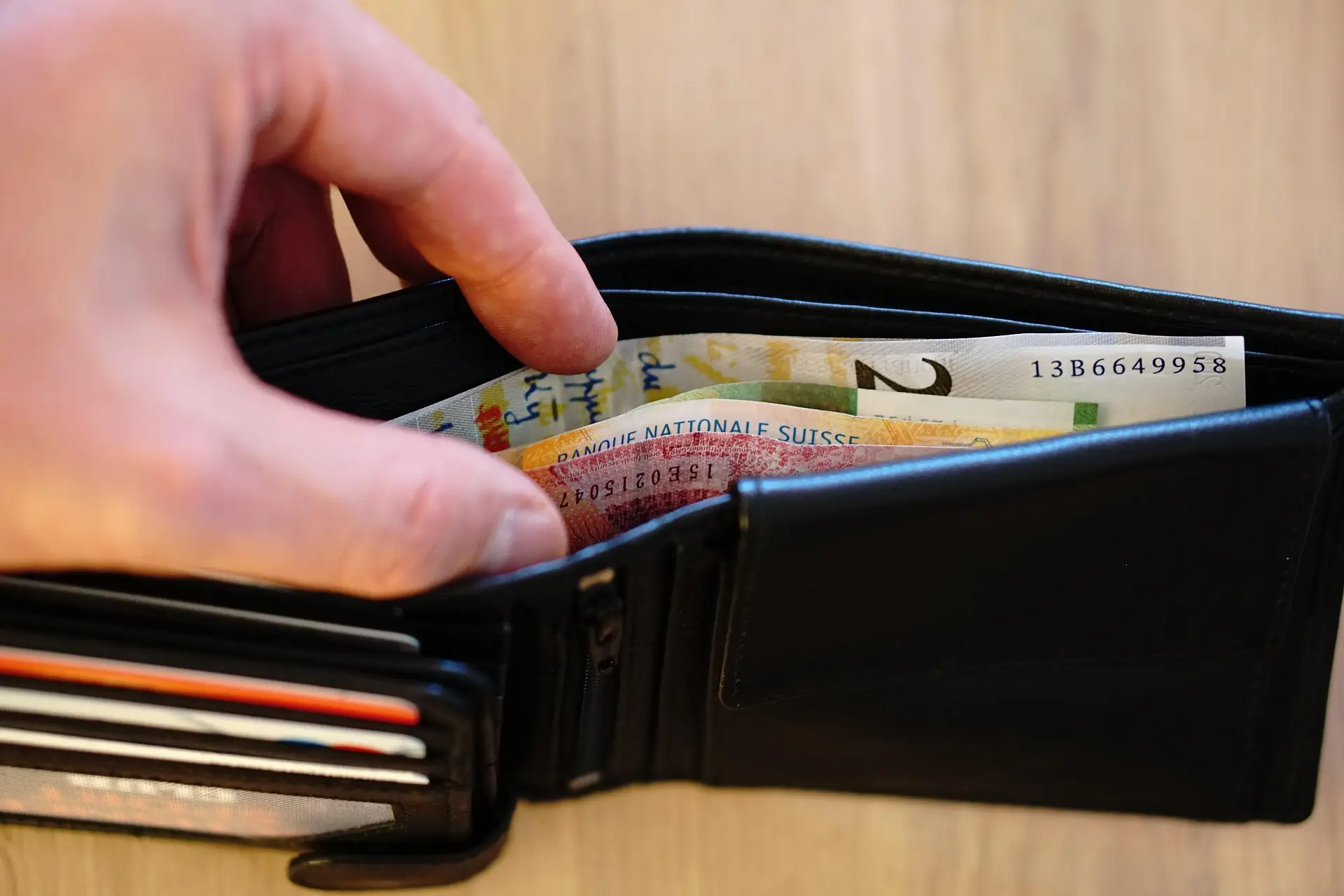
Self-custody means moving coins to a wallet where you hold the keys — a phone app or a hardware device. No platform can freeze your funds, but if the seed phrase is lost or leaked, the coins are gone for good and there is no helpdesk to call. A common beginner approach is to keep small amounts on a licensed exchange and move to a personal wallet as the balance grows. See our wallet guide.
04KYC is normal
Every compliant platform asks for identity verification: a passport or national ID, a selfie, sometimes proof of address. It's an anti-money-laundering requirement, not harassment. Korea goes further: to deposit won you need a real-name account in your own name at the exchange's partner bank — Upbit, for example, works with K Bank.
Two rules. First, state your country of residence truthfully; many international platforms don't serve certain countries, and false details can get an account frozen. Second, be wary of anything advertised as "no KYC, no limits". Our KYC and limits guide explains why we don't recommend that route.
05Fees are more than "the fee"
"Zero fees" on a landing page usually tells half the story. The real cost has four parts: the trading fee (maker/taker), the spread, the deposit fee and the withdrawal fee. Japan's hanbaisho (dealer) screens are the classic case: no visible fee, but Coincheck itself discloses spreads of 0.1% to 5.0% — while its order-book exchange charges 0% on major pairs.
Payment methods differ widely too. Local instant transfers (Hong Kong's FPS, Thailand's PromptPay and so on) are usually cheapest; cards and Apple Pay are fastest but typically cost an extra 2–5%. Add these up before your first purchase — it's worth more than any promo. Full comparison: crypto exchange fees.
Understand the costs and want to try a small first purchase? Buying by card takes minutes.Check that the platform serves residents of your country
Buy your first coin06What scams look like
Scams aimed at beginners follow strikingly similar scripts. Japan's Financial Services Agency has repeatedly warned about "SNS investment fraud", where victims meet someone on social media and are steered into crypto "investments". India's Central Bureau of Investigation warned in September 2026 that offers to buy USDT "above market rate" may involve money obtained through fraud. Add fake wallet apps, DMs from fake exchange "support" and Telegram signal groups.
07Tax: selling and swapping can both count
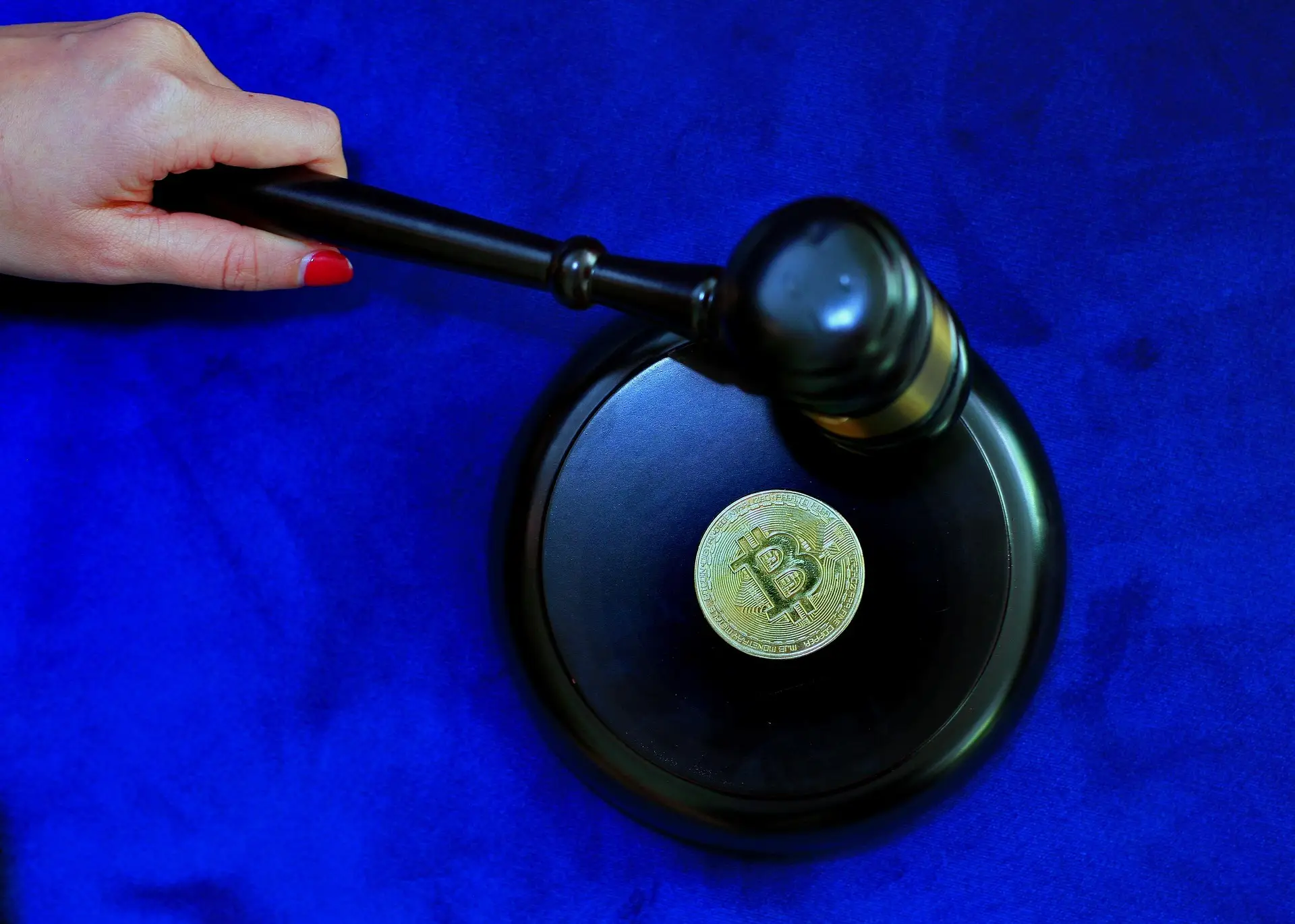
Many beginners assume there's no tax until they cash out. In plenty of countries that's wrong. Japan treats crypto gains as miscellaneous income, taxed with your salary at progressive rates of up to about 55%, and crypto-to-crypto swaps are taxable; the December 2025 tax reform outline proposes a flat 20%, but not before 2028. India taxes gains at 30% and withholds 1% TDS on each sale. Korea plans a 22% tax on annual gains above ₩2.5 million from 2027, though politicians renewed calls for a delay in September 2026. Thailand, by contrast, exempts gains on sales through SEC-licensed platforms from 2025 to 2029.
See the country-by-country table in crypto tax in Asia, and ask a local tax adviser about your own situation.
08Only use money you can afford to lose
It sounds like a cliché, but it's the most important point here. Exchanges get hacked — Japan's licensed DMM Bitcoin lost about 4,502.9 BTC in 2024 and closed; Bybit lost about $1.4 billion in ETH in 2025. Projects go to zero. And you can make mistakes yourself, such as sending coins on the wrong network.
A practical test: if this money vanished tomorrow, would your life change? If yes, invest less or wait. Emergency savings, mortgage payments and school fees should never sit in an exchange account.
09How to choose a platform in your country
"The app opens" doesn't mean "it's legal here". Start with the regulator's list: in Japan the FSA register (27 registered providers), in Hong Kong the SFC list of licensed platforms (13 as of May 2026), in India registration with the Financial Intelligence Unit (FIU-IND), and in Thailand the Thai SEC's licence list.
For local-currency bank deposits, favour locally licensed platforms: fees are lower and local law protects you. International platforms offer more coins and card purchases, but usually aren't regulated where you live, and they restrict some countries — CEX.IO, for instance, does not accept residents of Japan, Singapore or India. For country-specific choices, see our country guides and exchange rankings.
10Keep records from day one
For every buy, sell, swap and transfer, note the date, amount, price, fee and transaction hash (TXID). Most exchanges let you export a CSV of your history; download one every quarter, because if a platform collapses or closes your account, that data may be gone.
Records aren't just for tax. When a transfer goes wrong, the TXID is your only evidence in a support ticket, and if you're ever defrauded, a complete transfer history helps police trace the money.
11Your first purchase in five steps
Put the ten points together and a first purchase looks like this:
- Check the register, pick a platform
Confirm on the regulator’s website that the platform is licensed or registered, and that it accepts residents of your country.
- Sign up and complete KYC
Have your ID and a selfie ready and state your residence truthfully. Turn on 2FA, ideally with an authenticator app rather than SMS.
- Deposit a small amount
Use the cheapest local transfer available; a card if there is none. Keep it to an amount you could lose without it hurting.
- Check the total cost before buying
Compare the order-book price with the instant-buy price, and look at the fee, the spread and the withdrawal fee before you order.
- Record it and decide where to keep it
Save the transaction record. Small amounts can stay on a licensed exchange; as they grow, learn to move them to your own wallet, testing with a small amount first.
FAQ
What is the first step in crypto investing for beginners?
Not choosing a coin, but checking which platforms are legal where you live. Open your regulator’s list (for example the Japan FSA register or the Hong Kong SFC list of licensed platforms), sign up with a listed platform and complete identity verification (KYC). Then use a small amount you can afford to lose and run through the whole cycle once: deposit, buy, withdraw.
Should a beginner keep crypto on an exchange or in a personal wallet?
While the amount is small and you are still learning, a licensed exchange is simpler, but exchanges can be hacked or fail. As the balance grows, you can move coins to a wallet where you hold the private keys and write the seed phrase on paper, offline. Self-custody means nobody can recover a lost seed phrase, so practise with a small transfer first.
What are the most common beginner mistakes when buying crypto?
In the cases we reviewed, three stand out: losing money to social-media "mentors" or high-yield schemes; paying a hidden 1–5% spread when buying on a dealer-style "instant buy" screen (called hanbaisho in Japan); and keeping no records, which makes tax filing painful. All three are more common than simply buying at the top, and all are avoidable.
Do I have to buy a whole Bitcoin?
No. Bitcoin divides down to 0.00000001 BTC, one satoshi. Most platforms let you order in your own currency, so a few hundred yen, a few thousand won or a few dollars buys a fraction. Our guide to small amounts and DCA explains how minimums work and why fixed fees hit small orders hardest.
Sources
- Japan FSA — register of crypto-asset exchange service providers · checked Oct 2026
- Hong Kong SFC — lists of virtual asset trading platforms · checked Oct 2026
- MAS — reply to parliamentary question on crypto trading risks (2022) · checked Oct 2026
- Coincheck — fee page (dealer spread disclosure) · checked Oct 2026
Ready for your first coin?
Sign-up and ID checks take a few minutes; then you can buy Bitcoin, Ether or USDT with a card or Apple Pay.
International licensed platform · operating since 2013 · Visa / Mastercard / Apple Pay