

- Regulators
- Securities and Futures Commission (SFC) for trading platforms; Hong Kong Monetary Authority (HKMA) for banks and stablecoins
- Currency
- Hong Kong dollar, HKD (pegged to USD at 7.75–7.85)
- Legal status
- Legal; platforms need an SFC licence (AMLO Cap. 615, Part 5B, since 1 June 2023)
- Licensed platforms
- 13, per the SFC list updated 29 May 2026
- Tax
- No capital gains tax; profits tax may apply if you trade as a business
- Common deposits
- FPS, eDDA, bank wire, Visa / Mastercard
- International option
- CEX.IO accepts HK residents — not SFC-licensed
01How Hongkongers buy crypto: five routes
If you want to buy Bitcoin in Hong Kong, you have five realistic options, and they sit at very different points on the regulation scale. The safest is an SFC-licensed platform. The most convenient is the broker or virtual bank you already use. The most expensive is a street-corner Bitcoin ATM. The riskiest are peer-to-peer trades and walk-in coin shops. Here they are, roughly from most to least protected.
1. SFC-licensed platforms. OSL, HashKey Exchange and eleven others hold SFC licences. Client assets must sit with an associated trust company, mostly in cold storage. Retail customers can trade a short list of “eligible large-cap” tokens — OSL currently offers BTC, ETH, SOL and XRP to retail. You fund the account in Hong Kong dollars by FPS, eDDA or bank transfer. For how these platforms compare, see our ranking of licensed exchanges in Hong Kong.
2. Brokers and virtual banks. If you already have an account with Futu, Tiger Brokers or Victory Securities, or bank with ZA Bank or Mox, you can buy Bitcoin inside an app you know. These firms route orders through an omnibus account at a licensed platform. Money goes in and out only as HKD or USD, and you cannot withdraw the coins to your own wallet.
3. Cards and international platforms. Offshore exchanges let you buy with Visa, Mastercard or Apple Pay in a few minutes. They are not supervised by the SFC, and they usually charge in US dollars, which adds a currency conversion fee. Note that HSBC blocks credit-card crypto purchases worldwide.
4. Bitcoin ATMs and coin shops. Hong Kong has roughly 220–240 Bitcoin ATMs and around 200 walk-in crypto exchange shops, concentrated in Mong Kok, Tsim Sha Tsui and Causeway Bay. You pay cash and skip the account, but fees are high and there is no crypto-specific licence yet.
5. P2P trades. Paying an individual seller by FPS on an exchange's P2P market looks easy. It is also the most common reason Hong Kong bank accounts get frozen. More below and in our P2P guide.
02Hong Kong crypto regulation: licensed, deemed and the Stablecoins Ordinance
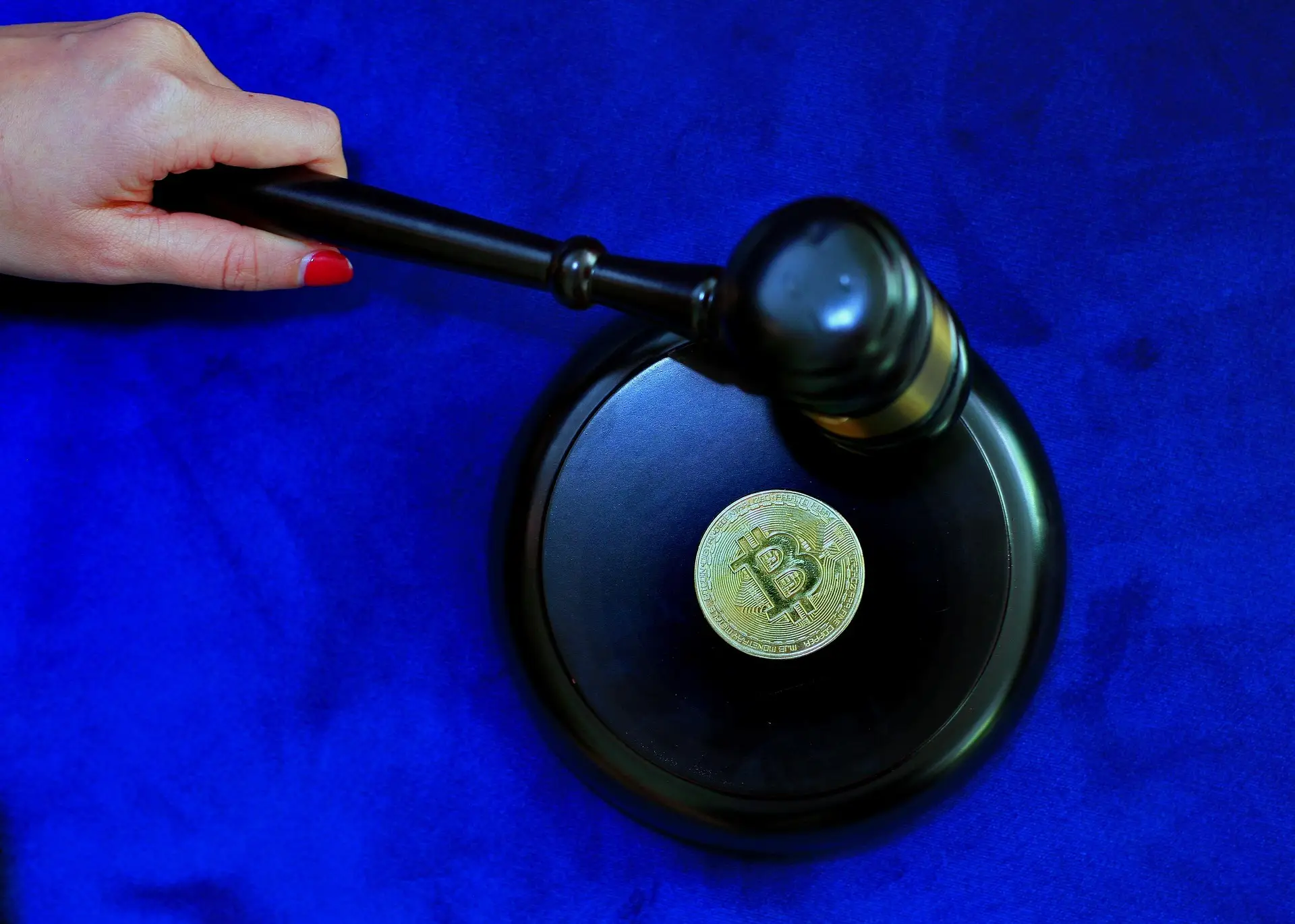
Hong Kong's licensing regime for virtual asset trading platforms (VATPs) lives in Part 5B of the Anti-Money Laundering and Counter-Terrorist Financing Ordinance (Cap. 615) and took effect on 1 June 2023. The rule is simple: running a trading platform in Hong Kong, or actively marketing one to Hong Kong investors, requires an SFC licence, and operating without one is a criminal offence. At the same time, the SFC's Guidelines for VATP Operators opened licensed platforms to retail customers, with guardrails: a knowledge test and risk profile before you trade, a personal exposure limit, and no gifts to tempt you into trading.
As of October 2026, the SFC's list of licensed platforms (last updated 29 May 2026) has 13 names: OSL (the first, licensed 15 December 2020), HashKey Exchange, HKVAX, HKbitEX, Accumulus, DFX Labs, EX.IO, PantherTrade (Futu group), YAX (Tiger group), Bullish, BGE, VDX (Victory Securities group) and Bixin.com, operated by NewBX, which became the 13th licensee on 18 May 2026. Not all of them serve retail: Bullish is limited to professional investors and VDX focuses on institutions. The full list with CE numbers is on our Hong Kong exchanges page.
The second key law is the Stablecoins Ordinance (Cap. 656), in force since 1 August 2025. Only fiat-referenced stablecoins issued by an HKMA licensee may be offered to the Hong Kong public, and only licensed issuers, SFC-licensed firms and banks may offer them. On 10 April 2026 the HKMA granted the first issuer licences to HSBC and to Anchorpoint, a joint venture of Standard Chartered, HKT and Animoca Brands; both plan Hong Kong dollar stablecoins first. It also means coin shops selling USDT over the counter are on thin legal ice — the government told LegCo they are not “permitted offerors”.
What is still missing is a licence for over-the-counter dealing. The government's consultation conclusions of December 2025 put VA dealing and custody under the SFC, with no transitional period. The bill was meant to reach LegCo in 2026 but had not been gazetted by late September. When it arrives, unlicensed coin shops and ATM networks may have to stop trading on day one.
03How to buy Bitcoin in Hong Kong, step by step
This is the typical flow for buying Bitcoin with HKD on an SFC-licensed platform. Screens differ, the steps don't.
- Check the platform on the SFC list
Open the SFC list or Public Register and confirm the platform name, the operating company and its CE number. The SFC alert list already contains look-alike domains for HashKey, EX.IO and DFX Labs, so download the app only from the official site or app store.
- Sign up and verify your identity
Have your HKID or passport, a proof of address and your phone ready for a face check. Licensed platforms must give you a crypto knowledge test and risk assessment; if you fail, you get training material first.
- Deposit HKD by FPS or eDDA
Send money from a Hong Kong bank account in your own name. It usually lands in minutes. Some platforms reportedly ask for a first deposit of HK$10,000 — check the official site.
- Buy Bitcoin
Beginners can use the quick buy screen (the quote includes the spread); move to limit orders once you are comfortable. Look at the total you pay, not just a “0% fee” label.
- Decide where to keep it
Small amounts can stay in the licensed platform's custody. Larger amounts can go to a wallet where you hold the keys. Coins bought through a broker or virtual bank cannot be withdrawn.
Only have a Visa or Mastercard and want to try a small first purchase? An international platform can do it in minutes.CEX.IO is not licensed by the Hong Kong SFC; no local investor protection; charged in USD/EUR/GBP
Buy with card04Payment methods in Hong Kong: FPS, eDDA, cards and cash
In Hong Kong, the way you pay largely decides which platforms you can use and how much it costs. Licensed platforms take local HKD rails; offshore platforms mostly take cards or USD wires; cash only works at ATMs and coin shops. More detail in our guides to buying crypto by bank transfer and buying with a credit card.
| Method | Where it works | What to watch |
|---|---|---|
| FPS (轉數快) | OSL, HashKey, EX.IO and other licensed platforms | Cheapest and fastest HKD route. Use an account in your own name. Highest freeze risk when used for P2P trades. |
| eDDA direct debit | HashKey (main HKD rail), OSL | Authorise once, then top up quickly. Handy for regular purchases. |
| Bank wire (HKD / USD) | All licensed platforms; some offshore ones accept USD SWIFT only | Fine for large amounts; overseas wires carry intermediary bank fees. |
| Visa / Mastercard / Apple Pay | OSL; offshore platforms such as CEX.IO | Arrives in minutes but costs more. HSBC blocks credit-card crypto buys; offshore platforms usually charge in USD. |
| AlipayHK, WeChat Pay HK | Not supported by licensed platforms | Both ban crypto-related payments; using them for P2P can get the wallet closed. |
| Cash | Bitcoin ATMs, coin shops | Most expensive, no crypto-specific licensing yet, frequent scams. |
05Bitcoin ATMs and crypto exchange shops in Hong Kong
Coin ATM Radar figures quoted in the press put Hong Kong at about 223 Bitcoin ATMs in late 2025; our best estimate for September 2026 is 220–240. The biggest operators are COINHERO (about 100 locations on its own locator) and CoinUnit (70+). Many machines sit in 24-hour self-service laundromats and small malls. Most are buy-only and accept only HK$500 and HK$1,000 notes.
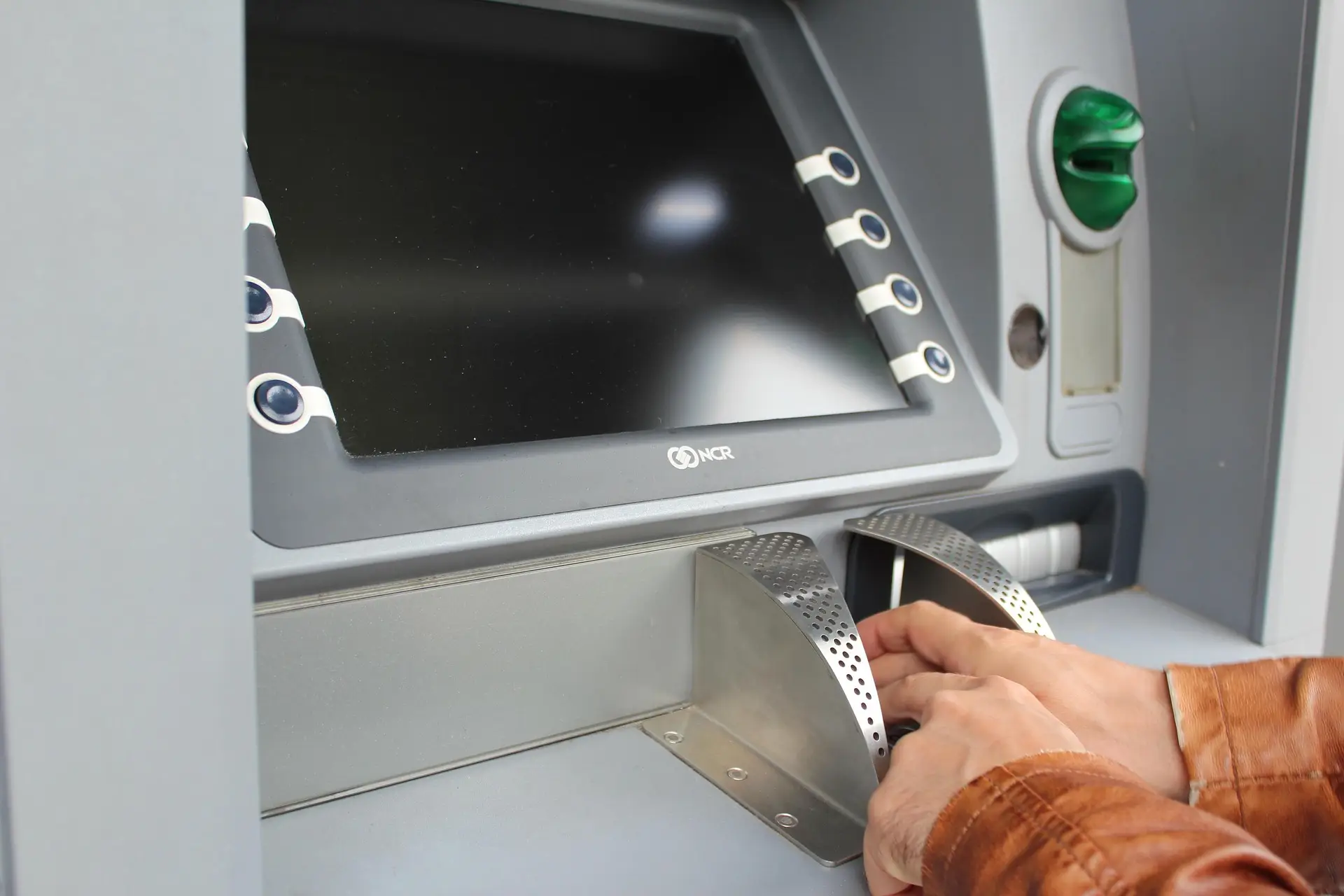
Price is the big drawback. COINHERO's official FAQ lists a buy fee of 13% plus a HK$100 fixed fee for BTC and ETH, with a HK$500 minimum and registration above HK$100,000 per transaction. On a HK$5,000 purchase that can mean about HK$750 in fees, against loose change at a licensed platform funded by FPS.
Full comparison: buying crypto with cash.
Coin shops are a different world. The government estimates about 200 physical OTC outlets (ATMs included) across the territory; one mall at 608 Nathan Road in Mong Kok alone hosts more than ten. They mainly swap USDT for cash, then BTC and ETH. The catch: they hold no crypto licence. Some have a customs Money Service Operator licence, which covers only currency exchange and remittance, and a press investigation found about half did no identity checks. Between 2024 and 2026 police dealt with “hell money” swaps, fake shops and knife robberies; one fake-shop case in West Kowloon involved 13 victims and HK$14.8 million.
06International platforms and CEX.IO: usable, but not regulated in Hong Kong
Hong Kong does not block offshore exchanges, and using one is not an offence for residents. The SFC's public advice, though, is to trade only on licensed platforms, and the big international names treat Hong Kong very differently. OKX lists Hong Kong as a restricted location; Bybit names it an excluded jurisdiction; KuCoin, Gate and MEXC do not serve Hong Kong users either. Binance says its products are not intended for individuals in Hong Kong and has blocked derivatives there since 2021 — a grey area at best.
CEX.IO, founded in 2013 and one of the longest-running crypto exchanges, accepts Hong Kong residents and lets you buy crypto with Visa, Mastercard, Apple Pay or Google Pay. In the US it is a FinCEN-registered money services business (NMLS 1804170) with money-transmitter licences in more than 30 states; in the UK it is registered with the FCA for anti-money-laundering purposes only, which is not authorisation; and its card processing is PCI DSS Level 1 certified. Card fees run from 0.49% to 4.99% plus a service charge, spot trading starts at 0.15% maker / 0.25% taker, and new accounts are limited to $1,000 a day and $3,000 a month for the first three months.
To be clear: CEX.IO is not licensed by the SFC. Hong Kong customers are served by its international entity, CEX OVRS LLC (Nevis), so local investor protection does not apply. It does not support FPS and has no HKD rail. Our view: for larger HKD purchases, a licensed platform comes first. For a quick small card purchase, or a coin the licensed platforms don't list for retail, an international platform like CEX.IO is a reasonable option. More in our CEX.IO review.
SFC-licensed platform
- HKD by FPS / eDDA
- Client assets in trust, mostly cold storage
- Retail limited to a few large-cap tokens
- Knowledge test at sign-up
International platform (e.g. CEX.IO)
- Card / Apple Pay in minutes
- Wider coin choice
- Charged in USD/EUR/GBP, so FX costs
- No SFC supervision or HK investor protection
07Where to keep your crypto: wallets for Hong Kong users
Coins bought on a licensed platform are held by its associated trust company — that is part of the licence conditions — and for small amounts leaving them there is fine. Two things to know. First, coins bought through ZA Bank, Mox or a broker cannot be moved to an outside wallet. Second, when you withdraw from a licensed platform to your own wallet, the platform has to apply the Travel Rule and confirm the wallet is yours; transfers of HK$8,000 or more need fuller information, and the first withdrawal may require a small test transfer or a signature check.
Once the amount grows, a hardware wallet (Ledger, Trezor, OneKey and others) is the better home for long-term holdings. Buy only from the official store or an authorised reseller, never second-hand. For software wallets, MetaMask, Trust Wallet and imToken are common choices. Whatever you use, write the recovery phrase on paper and keep it offline; anyone — including “support staff” — who asks for it is a scammer. Compare options in our crypto wallet guide and hardware wallet comparison.
08Crypto tax in Hong Kong: no capital gains tax, with a caveat
Hong Kong does not tax capital gains, so an individual holding Bitcoin as a long-term investment is generally not taxed on the profit when selling. But the Inland Revenue Department explains in DIPN 39 that profits from digital assets are chargeable to profits tax when they arise from a trade or business carried on in Hong Kong. The test is the classic “badges of trade”: how often you trade, how long you hold, whether you borrow to trade and how organised the activity is. Mining run as a business and crypto received as business income are taxable too, and salary paid in crypto falls under salaries tax.
Hong Kong is also implementing the OECD's Crypto-Asset Reporting Framework (CARF). Under the published timetable, data collection starts on 1 January 2027 and the first exchanges with other tax authorities follow in 2028 — in other words, platforms will report account information to the IRD. For a side-by-side view, see crypto tax in Asia.
09The JPEX lesson: Hong Kong's biggest crypto fraud
The JPEX collapse of September 2023 explains better than anything why Hong Kong regulates so tightly. JPEX never held an SFC licence, yet it was pushed hard by influencers and physical OTC shops, and falsely claimed licences in the US, Canada, Australia and Dubai. The SFC put it on the alert list in July 2022 and issued a public warning on 13 September 2023, after which the platform fell apart. Police count more than 2,700 victims and over HK$1.6 billion in losses. Sixteen people, including influencers and OTC shop operators, were charged in November 2025, and another ten in March 2026, bringing the total to 26.
Police figures for 2025 show 5,135 online investment fraud cases with HK$3.58 billion lost, about a third of it involving virtual assets. How to spot scams and check licences: exchange safety and licences and crypto security. To compare with neighbouring markets, read our guides for Taiwan and Singapore, or browse all Asian countries.
FAQ
Is it legal to buy Bitcoin in Hong Kong?
Yes. Owning and trading Bitcoin is legal for individuals in Hong Kong. Since 1 June 2023, anyone running a virtual asset trading platform in Hong Kong, or actively marketing one to Hong Kong investors, needs a licence from the Securities and Futures Commission (SFC). As of October 2026 the SFC lists 13 licensed platforms. Using an overseas exchange is not an offence, but you get no SFC protection.
What is the cheapest way to buy crypto in Hong Kong?
Usually an SFC-licensed platform such as OSL or HashKey Exchange, funded in Hong Kong dollars by FPS or eDDA. The bank transfer itself is normally free, so your cost is the trading fee and spread. Bitcoin ATMs are the most expensive route: COINHERO lists a buy fee of 13% plus a HK$100 fixed charge.
Do I pay tax on crypto gains in Hong Kong?
Hong Kong has no capital gains tax, so individuals who hold crypto as a long-term investment are generally not taxed on gains. If the Inland Revenue Department decides you are carrying on a trading business in Hong Kong (frequent, organised trading, for example), the profits can be subject to profits tax. Salary paid in crypto is subject to salaries tax.
Is a "deemed-to-be-licensed" platform safe to use?
The SFC states plainly that deemed-to-be-licensed applicants are not formally licensed. As of May 2026 this group included the Hong Kong entity of Crypto.com, WhaleFin and Matrixport HK, which has stopped operating its platform. If an application fails, the platform must wind down its Hong Kong business and users may have to move their assets.
Can I use CEX.IO in Hong Kong?
CEX.IO accepts Hong Kong residents and lets you buy crypto with Visa, Mastercard, Apple Pay or Google Pay. It is not licensed by the SFC: Hong Kong customers are served by its international entity, CEX OVRS LLC (Nevis), so local investor protection does not apply. It has no FPS or HKD rail, so card purchases are usually charged in USD.
Sources
- SFC — Lists of virtual asset trading platforms (licensed, deemed, applicants) · updated 29 May 2026, checked Oct 2026
- SFC — Suspicious virtual asset trading platforms alert list · checked Oct 2026
- SFC Public Register of Licensed Persons · checked Oct 2026
- Stablecoins Ordinance (Cap. 656) · in force 1 Aug 2025
- HKMA — Register of licensed stablecoin issuers · checked Oct 2026
- IRD — Departmental Interpretation and Practice Notes No. 39 (digital assets)
- FSTB — Consultation conclusions on VA dealing and custodian services · 24 Dec 2025
Ready for your first coin?
Sign-up and ID checks take a few minutes; then you can buy Bitcoin, Ether or USDT with a card or Apple Pay.
International licensed platform · operating since 2013 · Visa / Mastercard / Apple Pay