01Local instant rails vs SWIFT wires
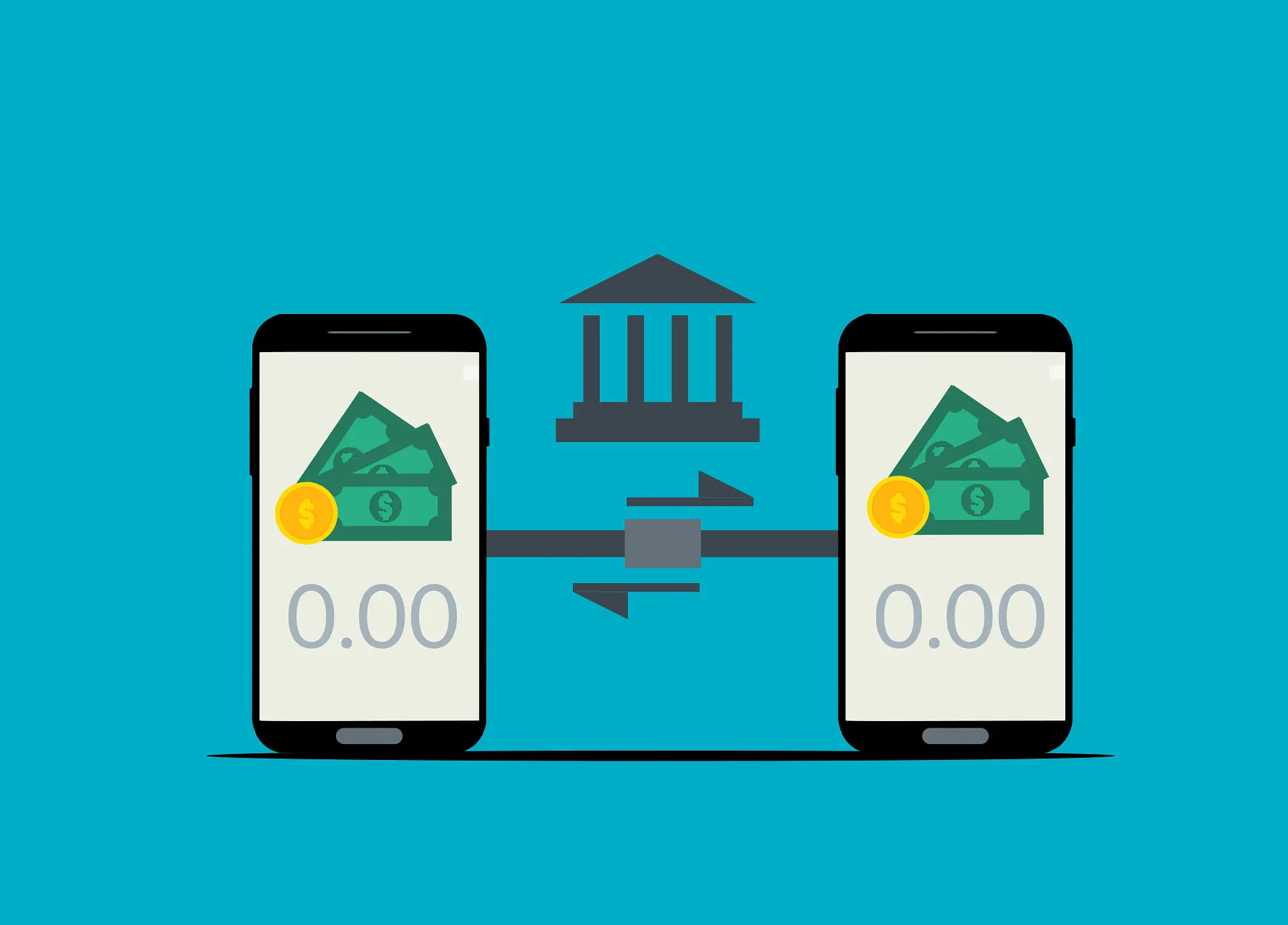
“Buy crypto with a bank account” covers two very different things. One is a local instant transfer — Hong Kong FPS, Singapore PayNow, Thailand PromptPay, Malaysia DuitNow and FPX, India UPI, Japan’s bank furikomi — moving local currency into a licensed local exchange in seconds or minutes for little or nothing. The other is an international SWIFT wire sending dollars to an overseas platform: slower, pricier, and screened by two banks’ compliance teams.
Local instant transfer
- Seconds to minutes
- Usually free at the platform, cheap at the bank
- Licensed local platforms only, in local currency
- Good for everyday buys and DCA
SWIFT wire
- 1–5 business days
- Sending + intermediary bank fees, plus FX margin
- Reaches international platforms (USD, EUR…)
- For large sums, or where no local platform fits
Our advice is simple: if a local instant rail is available, don’t wire. Licensed local platforms come with local investor protection, cheap deposits and cleaner tax records — in Hong Kong, check the SFC’s list of licensed platforms first. Wire only when you need a coin or feature that only an international platform offers, or when there is no suitable licensed platform where you live.
02Bank deposits country by country
The table summarises how bank funding works on licensed platforms in Asia’s main markets. Fees are published rates as of October 2026; your own bank’s transfer charge comes on top.
| Market | Main rails | Typical cost | Key points |
|---|---|---|---|
| Hong Kong | FPS, eDDA, bank transfer | Mostly free at platform | SFC-licensed OSL and HashKey accept FPS; USD goes by wire |
| Singapore | PayNow, FAST | PayNow free; FAST free from S$1,000 | Independent Reserve charges S$2.50 for FAST under S$1,000 |
| Japan | Furikomi (Zengin), instant deposit | Free at exchange; you pay the bank fee | GMO Coin instant deposit free; Coincheck quick deposit from ¥770 |
| South Korea | Real-name account at the exchange’s partner bank | Upbit KRW withdrawal ₩1,000 | Upbit works only with K Bank, Bithumb with KB Kookmin; new accounts may be limit accounts |
| Taiwan | ATM / online banking to a virtual account | BitoPro deposit free, NT$30 withdrawal | FSC-registered MAX, BitoPro and others |
| Thailand | PromptPay QR, bank transfer | Deposit free, withdrawal from THB 20 | Binance TH uses single-use QR, THB 100–4m per order |
| Malaysia | FPX, DuitNow | Varies; convenience fees apply | HATA FPX RM2–RM250k; DuitNow at MX Global and SINEGY |
| Indonesia | Bank virtual accounts, QRIS | VA about Rp 1,665–3,330; QRIS 0.7% | OJK-licensed Indodax, Tokocrypto; e-wallet top-ups cost more |
| India | UPI, IMPS, NEFT, RTGS | Mostly free at platform | Some banks and UPI apps block exchange payees on and off; 1% TDS on sales |
| Philippines | InstaPay, PESONet | Free in at Coins.ph | InstaPay caps around PHP 50k; larger sums via PESONet |
South Korea: one exchange, one bank
Korea has the most unusual rule. Under the Act on Reporting and Using Specified Financial Transaction Information, every won exchange must partner with one bank for a real-name verified deposit account, and you can only fund your account from that bank: Upbit with K Bank, Bithumb with KB Kookmin, Coinone with KakaoBank. A new K Bank account may start as a “limit account” (한도계좌); Upbit lists a ₩5m per-deposit cap for those. You can confirm an exchange’s registration with the Korea Financial Intelligence Unit (KoFIU). Before you try to deposit won, open an account at the right bank.
Japan: free at the exchange, but you pay the furikomi fee
Japanese exchanges take deposits by ordinary bank transfer (銀行振込) over the Zengin network. The exchange charges nothing, but your bank charges a transfer fee (振込手数料), often tens to a few hundred yen. Instant deposit through net banks such as SBI Sumishin, PayPay Bank or Rakuten Bank avoids that: free at GMO Coin, from ¥770 at Coincheck.
India: UPI is easy — until it isn’t
FIU-IND-registered platforms such as CoinDCX and CoinSwitch accept UPI and IMPS, but some banks and UPI apps intermittently block payments to exchanges. If a UPI transfer fails, IMPS or NEFT often goes through. Remember the 1% TDS withheld on each sale.
Don’t want to wait on a transfer or learn your bank’s rules? Try the whole flow with a small card purchase first.Visa, Mastercard, Apple Pay, Google Pay · coins in minutes
Buy with card03Name-matching and deposit rules: where most refunds come from
Compliant exchanges apply a handful of near-universal rules to bank deposits. Knowing them saves most of the hassle:
- The sender’s name must match your verified identity
Money from a relative, friend or company account is normally returned, sometimes minus a fee, and may trigger an account review. The spelling and order of your name should match your ID.
- Copy the reference code exactly
Many platforms give each user a unique reference or virtual account number. Without it the deposit can’t be credited automatically and has to be fixed by support.
- Respect minimums and maximums
Amounts below the minimum may bounce; per-transaction or daily caps apply in Korea, Thailand, Malaysia and elsewhere.
- Test with a small amount
The first time you send money to a new platform, send a small sum, confirm it lands, then send the rest.
04Bank risk checks and account freezes: the P2P problem
Many people worry that their bank will freeze their account for buying crypto. Funding a licensed exchange from your own account rarely causes that. Real freeze risk comes almost entirely from P2P trades: you pay a stranger, or a stranger pays you, and the money turns out to belong to a fraud victim.
Asia has plenty of examples. In August 2022, a Hong Kong user who sold USDT on Binance C2C and was paid by FPS had more than HK$200,000 frozen. Taiwan flags fraud-linked accounts as “warning accounts” (警示帳戶). In India, cyber-crime units can ask banks to freeze an entire account over a disputed sum as small as one rupee, although the Kerala High Court and others ruled in 2026 that a lien should be limited to the disputed amount. Malaysia and Thailand are also cracking down hard on money-mule accounts.
05Wiring money to an international exchange
If you do decide to wire money to an international platform, check three things first: the platform accepts residents of your country, it offers wire deposits in your region, and your bank is willing to send money to a crypto platform. Some Asian banks ask about the purpose of transfers to exchanges, and some refuse them.
CEX.IO illustrates the limits. It handles only USD, EUR and GBP; SWIFT deposits cost 0.1% with a $10 minimum, SEPA is €2.99 and ACH is US-only. It supports no Asian local rails — no FPS, PayNow, PromptPay or UPI, and no direct HKD, TWD or JPY deposits. An Asian customer wiring USD also pays the FX margin and the bank’s wire fee, so on CEX.IO a card or Apple Pay is usually the more practical route.
Selling and moving money back to your bank follows the same logic in reverse — see our cash-out guide — and the full country-by-country overview lives in crypto payment methods.
FAQ
Is a bank transfer cheaper than a card for buying crypto?
Usually, yes. Funding a licensed local exchange with an instant transfer such as FPS, PayNow, PromptPay or UPI is often free or close to it, while card purchases typically cost 1.5%–5%. The trade-off: you need an account on a licensed local platform, and the money must come from a bank account in your own name.
Can I wire money to Binance, and how long does it take?
Binance’s fiat deposit options vary by country, so check the Deposit screen in the app to see whether SWIFT and which currencies are offered where you live. Cross-border SWIFT wires generally take 1–5 business days, and both your bank and intermediary banks can deduct fees. Where Binance runs a licensed local entity (Binance Japan, Gulf Binance in Thailand), local transfers are faster and cheaper.
Why did the exchange send my transfer back?
Name mismatch is the most common reason: compliant platforms only accept payments from an account in the same name as your verified identity. Transfers from relatives, friends or a company account get returned and can trigger a review. Other causes are a missing reference code, an amount below the minimum, or a bank the platform does not support.
Will my bank freeze my account if I buy crypto?
Not usually when you fund a licensed exchange from your own account. Freezes mostly come from P2P trades: if money you send to or receive from a stranger is traced to a fraud case, the bank may freeze the whole account. There have been such cases in Hong Kong, Taiwan, India, Malaysia and Thailand.
Does CEX.IO accept bank transfers?
CEX.IO handles only USD, EUR and GBP. Its bank options are SWIFT (0.1%, minimum $10), SEPA in Europe and ACH in the US — no Asian local rails at all. Customers in supported Asian countries mainly buy with Visa/Mastercard, Apple Pay or Google Pay instead.
Sources
- CEX.IO Help Centre — deposit and withdrawal methods · updated Aug 2026
- SFC — lists of licensed virtual asset trading platforms · updated May 2026
- Independent Reserve Singapore — fees (PayNow / FAST) · checked Oct 2026
- Upbit — K Bank real-name account and deposit limits · checked Oct 2026
Ready for your first coin?
Sign-up and ID checks take a few minutes; then you can buy Bitcoin, Ether or USDT with a card or Apple Pay.
International licensed platform · operating since 2013 · Visa / Mastercard / Apple Pay